

The Raith House Way
Learning, the unhurried way
A child watches water soak into the soil. Another works out how to make two pieces stay together. In The Parlour, a familiar story becomes something new. There is learning in these moments, and skill in knowing how to support it.
At Raith House, children have time to explore their ideas within a familiar daily rhythm. Our educators prepare purposeful spaces, get to know each child and bring thoughtful teaching into play, conversations and everyday care. They might introduce a material, show a technique or ask a question that opens up a new possibility. They also know when to pause, listen and give a child time to work something out.
An unhurried childhood is carefully supported. There is guidance, challenge, reassurance and room to become deeply involved.
Guided by Belonging, Being and Becoming: The Early Years Learning Framework for Australia (V2.0).
Our Guiding Principles
Five principles shape how we care, how we teach and how life at Raith House feels.

present
We slow down enough to notice what each child is showing us.

unhurried
Children have time to stay with an idea, a friend or a quiet moment.

grounded
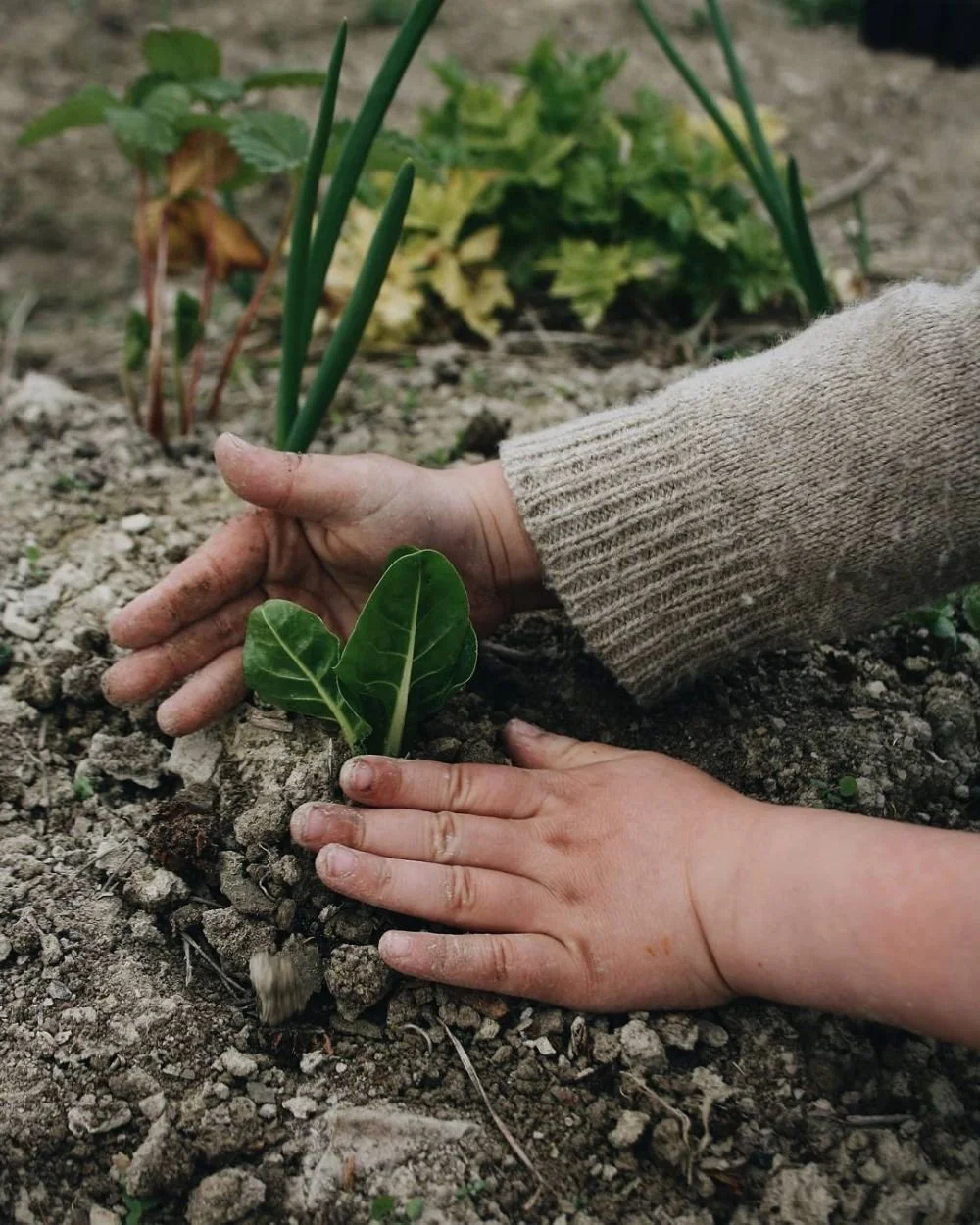
Children take part in real life, from tending plants to noticing the seasons

curious
We wonder alongside children and follow where their questions lead.

gentle
We guide with warmth, patience and clear, kind boundaries.
our approach
The thinking behind our approach
The Raith House Way draws on educational traditions that value relationships, meaningful experiences and children’s growing capabilities.
We bring these influences into our own context, guided by the Early Years Learning Framework and the children and families who become part of our home.
-
Inspired by Rudolf Steiner, we value imagination, familiar rhythms and learning through meaningful activity. Stories, music, textiles, making and the seasons invite children to think, feel and work with their hands, while shared rituals and community connections bring these experiences into everyday life.
-
Maria Montessori’s focus on independence shapes our practical-life opportunities. Materials are arranged so children can take part: choosing what they need, pouring a drink, setting the table or washing a dish. Educators demonstrate with care and allow time to practise.
-
Shaped by Loris Malaguzzi and the community of Reggio Emilia, this approach sees children as capable thinkers with many ways to communicate. We listen to ideas expressed through words, movement, music, drawing and construction, and revisit children’s work so their ideas can grow.
-
We draw inspiration from Te Whāriki, Aotearoa New Zealand’s bicultural early childhood curriculum, and its holistic view of learning grounded in empowerment, relationships, family and community. We respect its Māori foundations and distinct cultural context. For us, it means knowing each family, valuing their experiences and connecting children’s learning with their wider world.
-
Alison Clark’s work on slow pedagogy invites us to reconsider how children experience time. We listen, stay with an idea and make room for unexpected discoveries. A garden can be followed across a season. A story can keep growing.
Child-led learning
Children’s ideas. Thoughtful teaching.
A child wants to make a bridge, but it keeps falling.
An educator sits down beside them. Together they look at where it’s giving way. Would a wider base help? A different join? The child remembers the tower that stayed up last week and tries that instead.
It’s still the child’s bridge. The educator’s job is to know when to hand over a longer block, ask a question, or just wait.
That’s what intentional teaching looks like here, and it happens all day. Children learn to read and write by listening to stories, talking things through and making a sign for the shop they’ve built. They learn maths by measuring flour for scones, sorting shells and counting how many places to set for lunch.
Confidence comes the same way: pouring their own water, choosing where to play, and having a go at something hard with someone nearby who knows they can do it.
A day with us
The rhythm of our day
Familiar rhythms help children know what comes next and how they can take part, with room for individual needs and discoveries worth staying with.

Arrive
The day begins with a welcome in the heart of the house: a familiar face, a conversation with your family and time for your child to find their place.
Gather
Preparing and sharing food, caring for our spaces and spending time together give the day its reassuring shape.
Return
Covered verandas bring fresh air and outdoor life close, with music, stories, movement and making woven through it all.
Explore
From their home base, older children head out in small groups with their educators. An idea might be taking shape in The Studio, something waiting to be investigated in The Workshop, or a garden needing care.
Rest
Quieter moments to settle and recharge, with time to sleep or rest as each child needs.
In The Nest and The Nook, each baby’s day follows their own feeding, sleeping and care rhythms, with attentive educators responding to their cues.
Got something to share?
Maybe you play an instrument, keep bees, knit, fix bikes or know a good story.
If you have a craft, talent, tradition or story to share, we’d love to hear from you.
We’ll plan the visit together, with our educators alongside the children as they watch, wonder and have a go.
Preschool
Preschool the
Raith House way.
A recipe for pikelets. A sign for the shop that took three days to build. A question about why some seedlings are taller than others.
Our dedicated preschool program brings purposeful teaching into the experiences children are already curious about. Guided by the Early Years Learning Framework, educators nurture the skills children will carry towards school, with time to practise, ask questions and try again.
Through stories, play, making and the everyday life of our home, children develop:
Language, literacy and numeracy: sharing ideas, exploring books, making meaningful marks, counting, measuring and noticing patterns.
Confidence with others: joining play, listening, contributing and working through differences with support.
Everyday independence: recognising their belongings, managing clothing, caring for materials and taking part in meals.
Understanding & expressing their needs: finding words for feelings, asking for help and recognising when someone else needs care.
Persistence and problem-solving: staying with an idea, trying another approach and discovering what practice makes possible.

Following their progress
Our educators get to know how each child is going by watching, listening and keeping notes on their learning, along with developmental assessments. It helps us plan what to offer them next.
There are no tests, and we never compare children with each other. We just watch and listen while they play and chat, then fill you in on what we’ve noticed.
As school gets closer, we’ll talk with you about your child’s next step and how we can help them with their transition.

Can you picture your child here?
An idea they can’t wait to return to. Something they’re proud to have done for themselves. An educator who understands why it matters. We’re creating a home where these everyday moments have time and thoughtful care behind them.
We open in early 2027. Register your interest and we’ll keep you in the loop, and let you know when you can come and have a look around.